


.jpg)
On August 13th, the Trump administration’s Department of Health and Human Services finalized a rule blocking federal Medicaid and CHIP funds from going towards gender-affirming care for trans youth. Medicaid and CHIP—both of which are joint state-federal programs that provide healthcare to low-income Americans—rely on the federal government to match individual states’ funding for the program, and as part of that framework, states are generally free to determine their own coverage policies. Keeping with this structure, the new rule explicitly doesn’t ban Medicaid coverage for gender-affirming care for trans youth. However, under it, states would be forced to fully fund this care themselves if they want their coverage to continue.
Within a few weeks, a coalition of 21 Democratic-led states announced a lawsuit against the rule, arguing that the HHS lacks the authority to implement it. As the rule’s authors admitted when proposing the rule, the Centers for Medicare and Medicaid Services (CMS) has “not previously relied on [the statutory provisions it relies on in the Rule] to establish a purpose-based restriction on FFP for a specific category of services in this manner.” Rather, restrictions on reimbursements usually stem from laws that have been passed by Congress. This includes the ‘Hyde Amendment,’ a longstanding ban on federal funding for elective abortions that was first passed in 1976.
While the litigation plays out, several states, including California, Maine, Massachusetts, New Mexico, and Oregon, have confirmed that they will be taking on the full costs to ensure that trans youth continue to have access to the care they need. However, as Transitics has now learned, two Democratic-led states—Arizona and Virginia—will be going in the opposite direction starting next Tuesday.
On September 24th, Virginia posted a bulletin to its Department of Medical Assistance Services (DMAS) website informing providers, and only providers, that Virginia Medicaid and CHIP will no longer cover gender-affirming care for trans youth under 18 and 19, respectively. Concerningly, the statement offers no apology or explicit justification for the change, instead simply reading:
“The purpose of this bulletin is to notify providers that, in accordance with a new federal final rule for dates of service on or after October 13, 2026, DMAS will no longer cover gender dysphoria services for Medicaid members under the age of 18, and CHIP members under the age of 19. Under the final rule, federal Medicaid and CHIP funding will be available for a tapering-off period of up to six months from the effective date of the final rule for youth who are receiving medications related to gender affirming care as of October 13, 2026.”
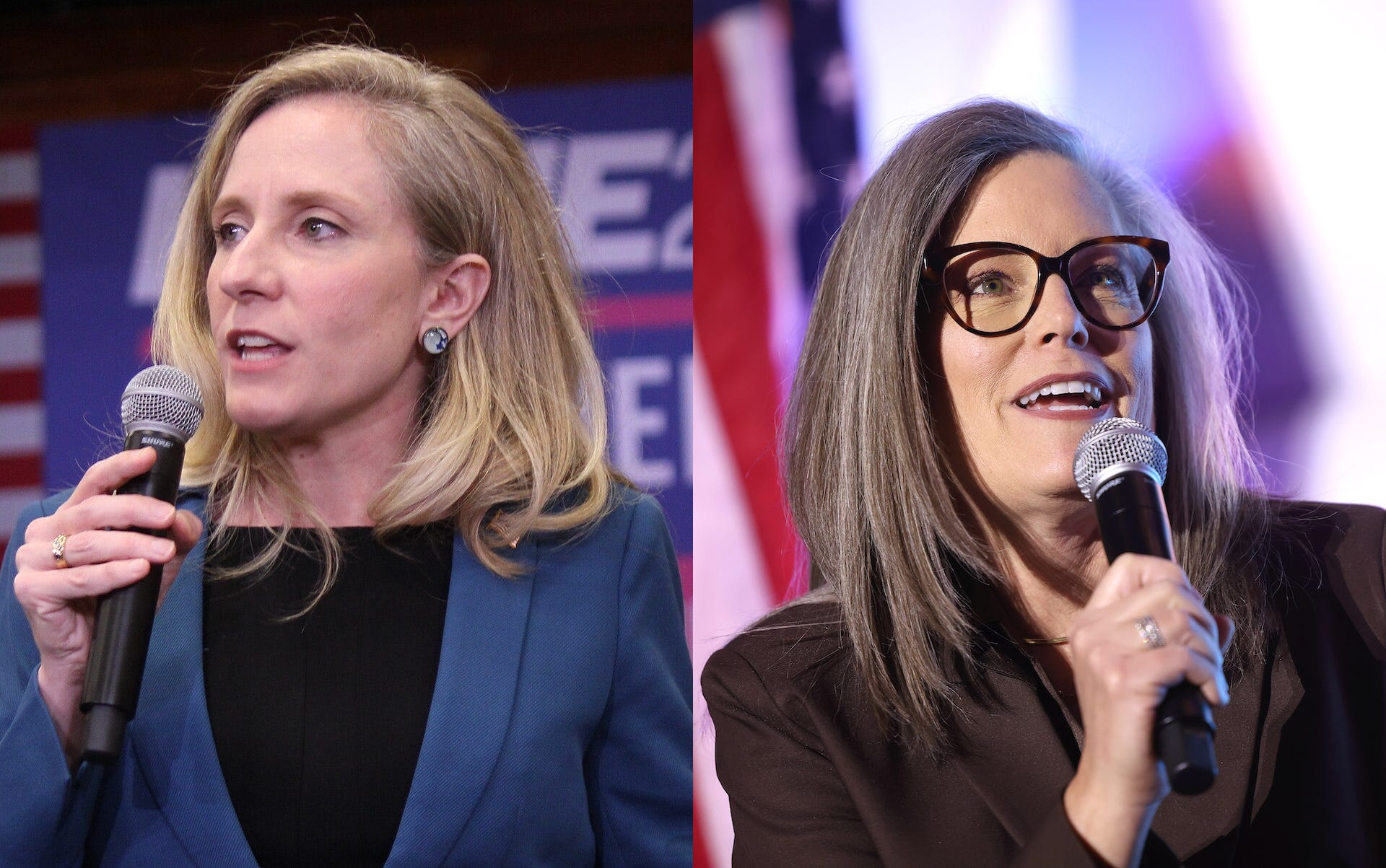
As of writing, DMAS has not directly notified patients, families, or the general public of the new policy, likely leaving doctors to inform Virginia trans youth that their care will no longer be covered. The state’s governor, Abigail Spanberger, has fought to repeal many other anti-trans and anti-LGBTQ+ policies—recently tearing up when announcing she killed her state’s restrictions on trans kids’ bathroom access in schools—which makes this decision even more of a mystery.
Then, on September 30th, Arizona made a similar change; only this time, it will be banning coverage for those under 19 through both programs. It should be noted that the rule’s restrictions on Medicaid funding apply to care for those under 18; as was noted above, adults are only included in the CHIP ban. And somehow, Arizona is handling it in an even worse way than Virginia. In fact, the only information it has offered about the new policy is buried deep in its prior authorization criteria for pharmacies, where it states:
“[Hormone therapy and puberty blockers] when used for gender dysphoria in patients less than 19 years of age are no longer covered under Medicaid and will be denied as benefit exclusion. If [hormone therapy or puberty blockers] was started ON or BEFORE October 13, 2026, patients will be grandfathered for 6 months.”
Although Arizona Medicaid has maintained an exclusion for “gender reassignment surgeries” since 1982 and bans those surgeries from being performed on minors, it has explicitly covered other forms of gender-affirming care for all ages since Democratic Gov. Katie Hobbs took office in 2023. Hobbs has vetoed Republican legislation targeting that coverage, and she also signed an executive order removing the gender-affirming care exclusion that was present in the health plan for state employees. Now, some of that allyship is being undone.
Meanwhile, Arizona’s Attorney General Kris Mayes—who is the first openly lesbian woman elected to a statewide office in Arizona—is one of only two Democratic AGs sitting out of the lawsuit over the Medicaid rule; the other, Jeff Jackson of North Carolina, likely lacks standing to sue because his state already bans gender-affirming care for minors. Both Hobbs and Mayes are up for re-election next month, and it’s possible that they may be looking to avoid provoking GOP attacks on the issue.
Whatever the reasons behind these sudden shifts, the result is the same: Arizona and Virginia are joining Kansas in needlessly restricting gender-affirming care access through Medicaid without much explanation. In Kansas’ case, Democratic Gov. Laura Kelly expanded Republicans’ ban on Medicaid coverage for trans minors to adults without explanation, going as far as designating all gender-affirming care as ‘experimental’ to get around specific federal rules regarding medically-necessary care for people between the ages of 18 and 21. Transitics has spent months seeking information about this change, but these attempts have been ignored.
Above all, both states’ compliance sends an important signal to the Trump administration: when it comes down to it, neither one is truly willing to take on the costs of protecting trans people—not even when those costs would almost certainly have a negligible impact on the state budget. Instead, Arizona and Virginia will give in to the threats; not because they have to, but because they want to.
With Democrats like those, who needs Republicans?
Damn that bus is heavy.